
How Traditional Braces Work
Traditional braces use a system of metal brackets bonded to each tooth, connected by an arch wire that applies force to shift teeth into desired positions. Orthodontists periodically tighten or adjust the wire to continue tooth movement.
Variations include:
- Traditional metal braces (the most common type)
- Ceramic braces (tooth-colored brackets)
- Lingual braces (placed behind the teeth)
- Self-ligating braces (brackets with built-in clips instead of rubber bands)
Although effective for complex orthodontic problems, braces are fixed appliances, meaning patients cannot remove them during daily life.
 How Invisalign Treatment Works
 How Invisalign Treatment Works
Invisalign treatment uses a series of custom removable aligners that gradually move teeth into their correct position. Each aligner is worn for about one week, gently shifting teeth closer to the desired position. Because aligners fit tightly and are virtually invisible, many adults prefer Invisalign vs braces for both comfort and appearance.
An Invisalign-trained doctor uses digital imaging to design a precise treatment plan that maps tooth movement step by step. Invisalign clear aligners are then manufactured to follow this plan exactly, offering predictable results and an easier orthodontic journey.
Invisalign vs Braces: A Side-by-Side Comparison
Both orthodontic treatments straighten your teeth, but they differ significantly in comfort, appearance, maintenance, and lifestyle adaptability. Here is how they compare in the key areas patients care about most.
Appearance: Invisalign Is the More Discreet Option
Appearance is one of the biggest factors when comparing Invisalign vs braces. Invisalign aligners are made from clear plastic, making them virtually invisible when worn. Many adult patients prefer Invisalign because they can straighten their teeth discreetly in social and professional settings.
Braces require visible metal brackets and wires unless you choose ceramic braces or lingual braces, which tend to be more expensive and still noticeable to some degree.
For patients who want a confident smile during treatment, Invisalign offers a significant aesthetic advantage.
Comfort: Smooth Plastic vs Metal Brackets
Traditional braces can cause irritation where brackets or wires rub against the cheeks and gums. Metal braces also involve periodic tightening, which may cause soreness.
Invisalign aligners are made from smooth plastic, eliminating the discomfort associated with wires, brackets, and rubber bands. Aligners apply gentle pressure and typically result in less irritation and fewer mouth sores.
For patients with sensitive gums or oral health concerns, Invisalign is often much easier to tolerate.
Oral Hygiene: Invisalign Supports Better Oral Health
Braces make brushing and flossing more challenging because brackets and wires block access to certain areas. This increases the risk of plaque buildup, gum disease, and tooth decay over the course of treatment.
In contrast, Invisalign aligners are removable. This allows:
• Thorough dental cleaning
• Easier flossing
• Better brushing technique
• A lower risk of gum disease and cavities
The ability to take out aligners is one of the most important Invisalign benefits for long-term oral health.
Lifestyle and Food Choices: No Restrictions With Invisalign
Traditional braces require avoiding certain sticky foods, crunchy snacks, and hard foods that can bend wires or damage brackets. Eating the wrong food can cause an emergency dental care visit to repair a broken orthodontic appliance.
Because Invisalign aligners are removed for meals, patients can enjoy their favorite foods without worry. There are no food restrictions, no damaged brackets, and fewer interruptions.
Invisalign fits into daily life more smoothly, allowing you to straighten your teeth without significant lifestyle changes.
Treatment Time: Often Comparable, Sometimes Faster
Treatment times vary depending on the severity of the dental issues and the patient’s consistency. Both braces and Invisalign can effectively treat mild to moderate orthodontic problems. Invisalign treatment time may be shorter for some patients because aligners deliver controlled, precise tooth movement mapped by advanced digital modeling.
However, patient compliance plays a role. Aligners must be worn 20–22 hours a day to stay on schedule.
 Office Visits: Invisalign Requires Fewer Adjustments
 Office Visits: Invisalign Requires Fewer Adjustments
Traditional braces require regular adjustments for brackets and wires, meaning more frequent visits to the orthodontist.
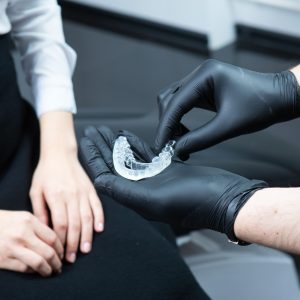
Invisalign treatment usually requires fewer appointments because:
• There are no wires to tighten
• Aligners are replaced at home every week
• Progress checks are spaced out
• Fewer emergencies occur
Patients with busy schedules often prefer Invisalign for its convenience.
Suitability: Invisalign Works for Most Mild to Moderate Cases
Braces are still the best choice for complex orthodontic cases or severe alignment issues that require more force or specialized orthodontic appliances.
Invisalign clear aligners work extremely well for:
• Crooked teeth
• Gapped teeth
• Crowded teeth
• Mild to moderate malocclusion
• Relapse from previous braces
• Bite issues in appropriate cases
Many adults are surprised to learn that Invisalign can treat more orthodontic problems than ever, thanks to improvements in align technology.
Cost: Invisalign vs Braces
Invisalign treatment cost and braces cost are often similar, though pricing depends on treatment time and complexity. Some complex orthodontic cases treated with braces may require longer treatment, leading to a higher overall cost.
Because Invisalign typically involves fewer visits and no emergency repairs, some patients find the overall investment comparable, sometimes lower.
The best way to estimate cost is a consultation, where your orthodontic care needs and treatment options can be evaluated accurately.
Patient Experience: Invisalign Is Easier for Most Adults
Most adult patients prefer Invisalign vs braces because:
Aligners are removable
• Appearances are not affected
• Speech adjusts quickly
• Cleaning the mouth is easier
• There are no wires or brackets
• Daily life feels normal
• Professional settings are not disrupted
Many patients report greater confidence during Invisalign treatment and find the process smoother and more comfortable.
Who Should Choose Invisalign?
 Who Should Choose Invisalign?
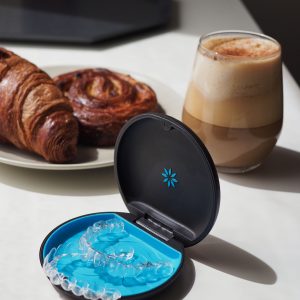
You may be an excellent candidate for Invisalign if you:
Prefer a discreet alternative to braces
• Want to improve oral health during treatment
• Have mild to moderate orthodontic problems
• Want fewer office visits
• Are motivated to wear aligners daily
• Prefer a comfortable orthodontic treatment method
Dr. Nishime evaluates patients’ teeth, orthodontic problems, and overall oral health to determine which orthodontic treatment option is best.
Frequently Asked Questions
For many mild to moderate cases, Invisalign works just as effectively as braces. Complex orthodontic problems may require traditional braces.
Most patients find Invisalign more comfortable because it uses smooth plastic instead of metal brackets and wires.
Yes. Invisalign clear aligners are virtually invisible and blend naturally with your smile.
Choose Invisalign for a Discreet, Comfortable Orthodontic Experience in Honolulu
Both braces and Invisalign can straighten your teeth properly, but Invisalign offers a smoother, more comfortable treatment method for many patients. At Advanced Restorative Dentistry, Dr. Michael Nishime provides personalized Invisalign treatment plans designed to help you achieve a beautiful smile with minimal disruptions to your daily life. To schedule your consultation or learn whether Invisalign is right for you, call our dental practice in Honolulu at (808) 732-0291 today.